

Foundation Settlement in Huntington Mills, PA
Foundation settlement repair in Huntington Mills, PA measured before it is priced. Under an inch of variance is often original construction, not movement.
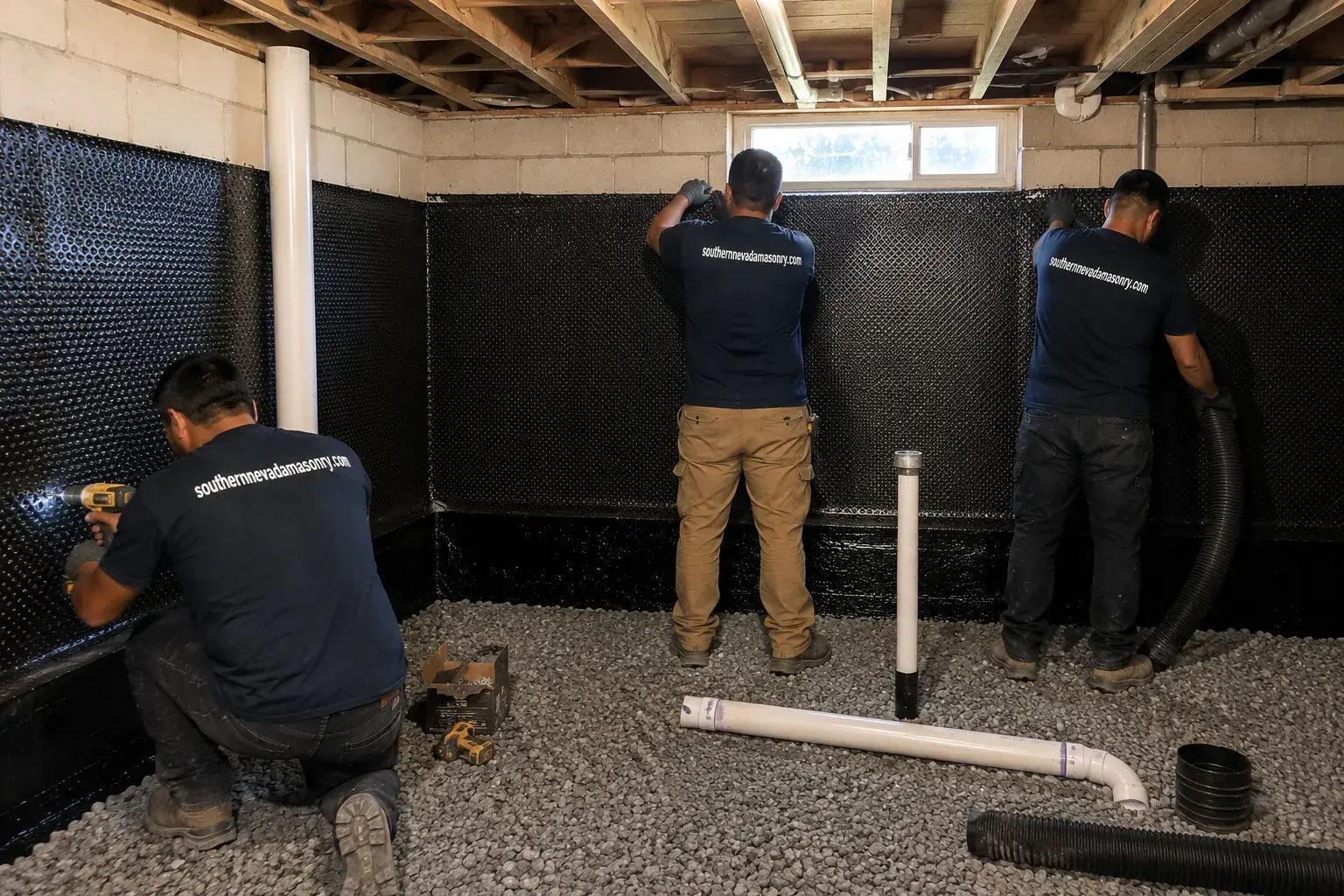

Best Foundation Settlement in Huntington Mills, PA
You put a marble on the kitchen floor and it rolled. A door stopped latching. Something feels off underfoot, so you started looking, and now you are reading about foundation settlement repair near me at eleven at night.
Before you spend anything, know this. Your house was never level.
Construction tolerance in this country allows about three quarters of an inch either way, which means a brand new home can leave the builder with an inch and a half of difference between its highest and lowest point and be perfectly acceptable. Plenty of houses are sold that way and never move again.
So a sloping floor by itself proves nothing.
What proves something is distress that goes with it. Cracks in the drywall or brick, doors and windows out of square, gaps opening where floors meet walls, trim separating. Elevation difference plus distress means movement. Elevation difference with no distress usually means the house was built that way.
The measurement is the thing to insist on. Someone takes readings across the floor every five to ten feet with a manometer or a laser and maps them, and a manometer picks up differences as small as a sixteenth of an inch.
Read the map as a picture. Negative numbers are areas that dropped. Positive numbers may have been pushed up by swelling soil, which is a different problem with a different fix.
The spread between the highest and lowest reading is your number. Under an inch is usually acceptable. One to two inches is worth watching. Over two inches, something needs doing.
By slope, under a quarter inch over ten feet is normal, a half inch is noticeable underfoot, and an inch over ten feet is real differential settlement affecting the framing above it.
Differential is the word doing the work there. A whole house sinking evenly rarely damages anything, because everything goes down together. Damage comes when one part drops and the part next to it does not.
Causes are worth chasing, because the cause changes the fix. Clay soil that swells wet and shrinks dry. Soil that was never properly compacted before the pour. Water pooling against one side of the house from a downspout or a yard that slopes the wrong way.
Under slab plumbing leaks are the one people miss. A leaking supply or drain line washes soil out from under the footing quietly for years, and a static pressure test plus a camera run finds it for a few hundred dollars. Piers installed over an unfound leak sit in the same problem.
Trees do it too. A mature oak or maple can pull a hundred gallons or more out of the ground on a summer day, and the settlement pattern often traces the shape of the canopy.
Here is the part that saves people money. A single visit cannot tell you whether the movement is still happening.
Mark the ends of every crack with a pencil and write the date. Repeat the elevation survey in six months. A crack that has not grown and readings that have not changed mean the house settled once, found its resting place, and stopped, and there is nothing to buy.
Around Huntington Mills, PA the repair, when it is genuinely needed, means piers under the affected section only. Not the whole perimeter. Whole house piering is very rare and it is the most common way people get oversold, so if a quote covers the entire foundation, ask which readings justify each pier.
Budget $1,500 to $3,000 per pier, plus drainage correction, which frequently costs a few hundred dollars and does more for the next ten years than steel does.
We have measured and monitored foundations across Huntington Mills, PA for 21 years and we tell plenty of people to wait. If you searched foundation settlement repair near me and nobody has shown you an elevation map yet, call (833) 769-2615 and we will start there.